1648
Edward ab Evan dies, leaving Cae’r Llan to the parish poor.
The bequest is recorded in the Llanwrthwl vestry minutes. Cae’r Llan farm is let to a working tenant, with the rent placed in the parish coffers.
We are an old Welsh hardship trust founded by the bequest of a single farm. We have never had paid staff. Our governance is plain. Our records are quiet. This is who we are, what we look after, and how we decide.
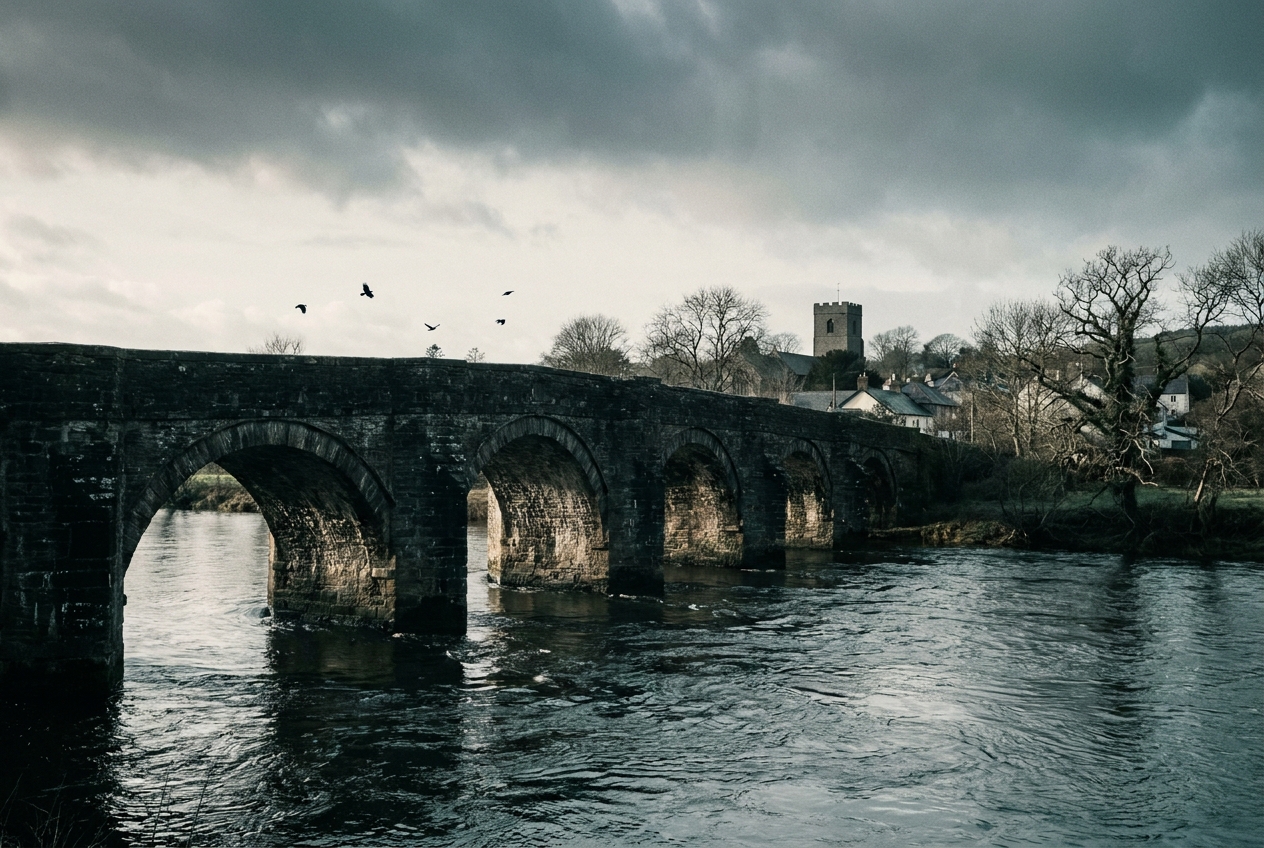
Edward ab Evan was a Llanwrthwl yeoman who died in 1648. By his will he bequeathed the farm Cae’r Llan to the use of the poor of the parish, with the rent to be distributed annually to widows, widowers and others in genuine need. The arrangement is recorded in the parish vestry minutes and survived three centuries of inheritance disputes, enclosures, the agricultural collapse of the 1880s, and the consolidation of small Welsh charities under the 1960 Charities Act.
By the 1840s the legacy was producing around £16 a year, distributed each January from the church porch. White’s Directory of 1845 records that sum, alongside a Sunday school of about thirty children and a parish population of 568. We have kept the January rhythm ever since. We still meet in the dark months and post the envelopes on the same week.
What changed, slowly, is the kind of household we help. Widows and widowers remain. Single parents were added formally in the 1990s. People living with long-term illness, and single people of state-pensionable age living alone, were named in the trust deed when it was last refreshed by the Charity Commission. The categories sound bureaucratic; in practice they describe most of the parish at one time or another.
We are a tiny charity. The 2024–25 statutory return reports total income of £2,880 and total expenditure of £2,028. There are no employees. There is no office. The seven trustees meet four times a year in the village hall and twice on an as-required basis. That is the whole of us.
1648
The bequest is recorded in the Llanwrthwl vestry minutes. Cae’r Llan farm is let to a working tenant, with the rent placed in the parish coffers.
1840s
White’s Directory and Slater’s Directory of Wales record annual distributions to the deserving poor of the parish.
1903
Smaller parish charities are brought under a single governing instrument, naming the trustees as the parish’s churchwardens and overseers.
1960
The trust takes its present number under the Charities Act 1960, with the registered name THE CHARITIES OF EDWARD AP EVAN AND OTHERS.
1992
Single parents and households with long-term illness are added to the formal categories of those eligible for assistance.
2011
The 2011 census prompts the trustees to commit to door-to-door awareness across the upper and lower parish in cold months.
2017–2018
Sharon Morris, Ben Gaskell, Alan Austin and Paul Booth are appointed, joining Robert Lewis (chair), Gareth Thomas and Jennifer Thomas. Records and procedures are gently modernised over the next three years.
2025
The year-ending-15-March return is filed on time. The fund continues, as quietly as it has done since the seventeenth century.
Under our governing instrument all trustees must live within the former Parish of Llanwrthwl. We do not pay ourselves. We do not hold trustee elections in public; vacancies are filled by quiet recommendation. Below are the four longest- and shortest-serving trustees; Ben Gaskell, Alan Austin and Paul Booth complete the seven.
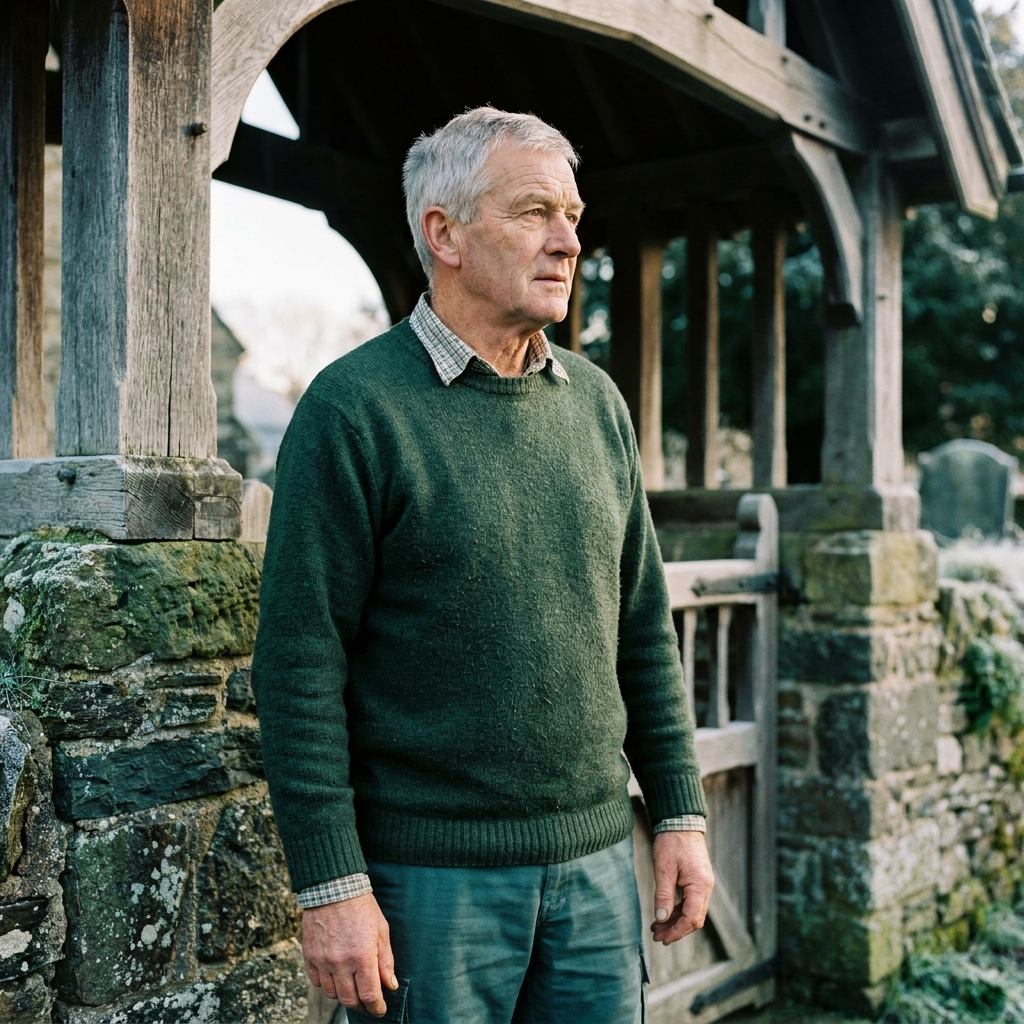
Retired hill farmer; chairs the trustees. Robert has lived in the parish for more than forty years and walks the post round on January distribution week.
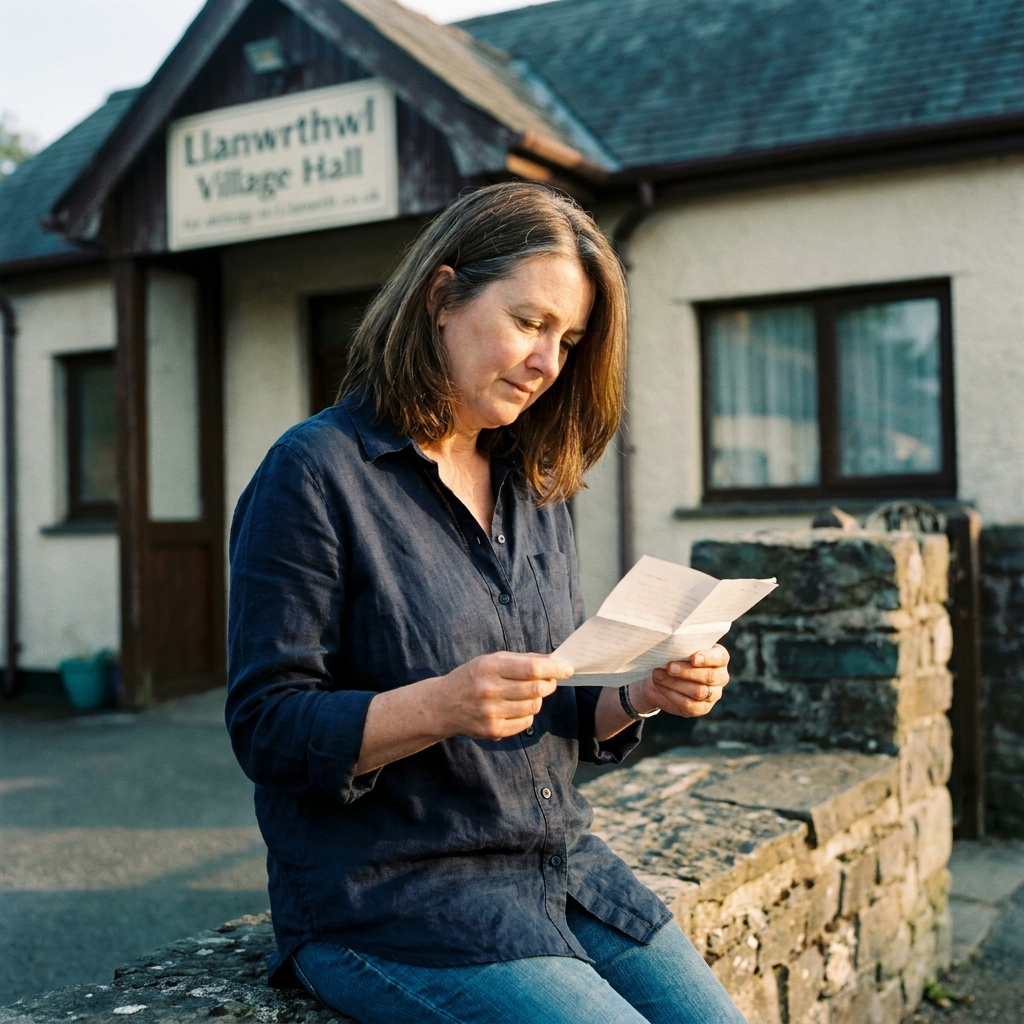
A long-serving primary teacher in the upper Wye, Sharon keeps an ear close to the parish’s younger families and looks after our school-uniform requests.
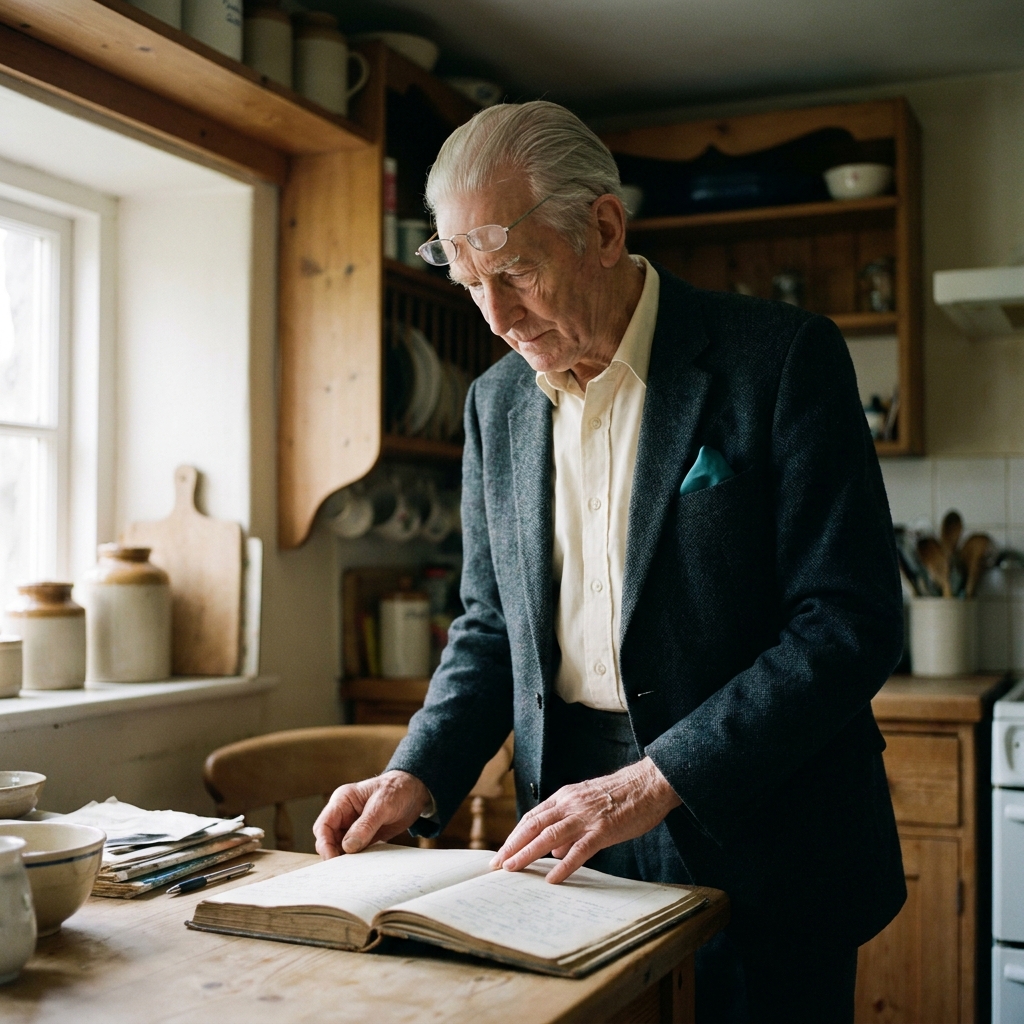
Our longest-serving trustee. A retired land agent, Gareth keeps the ledgers and prepares the annual return to the Charity Commission.
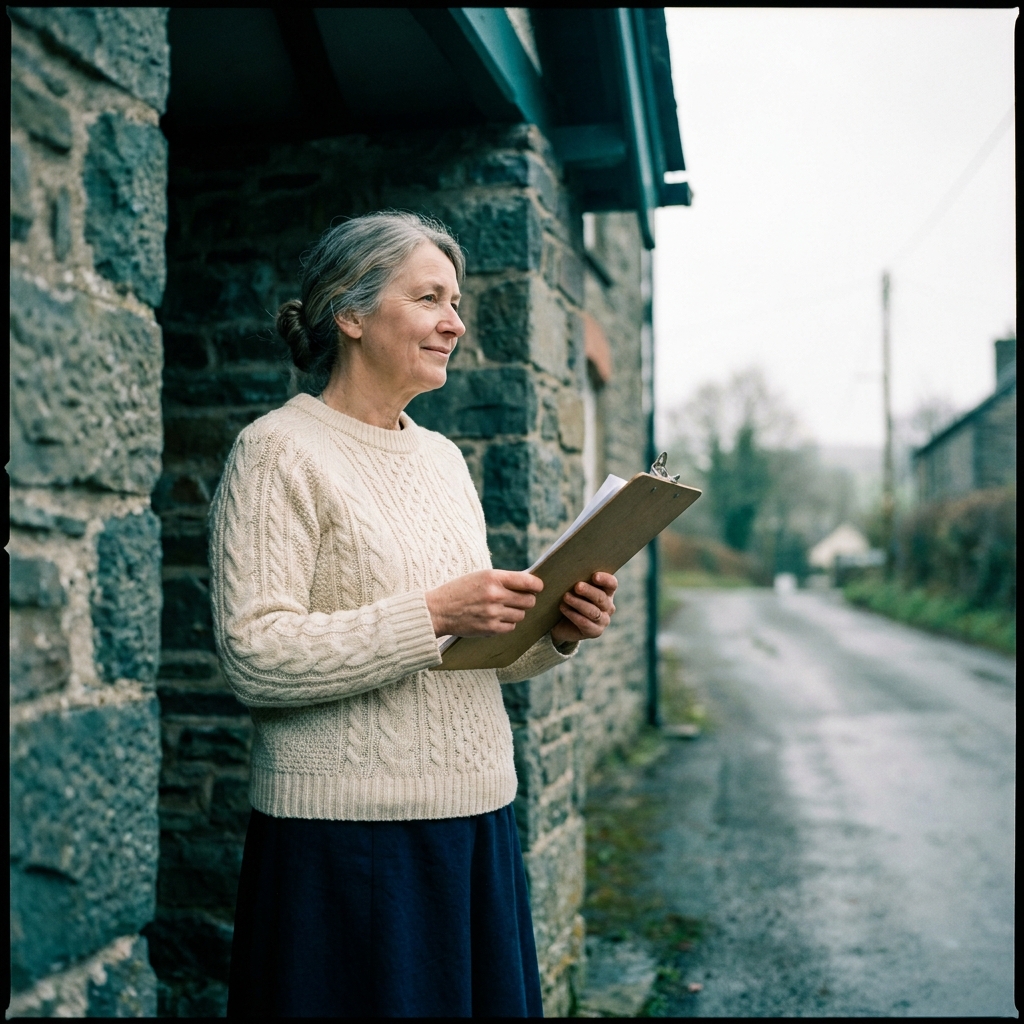
A former district nurse; also a trustee of Llanwrthwl Village Hall. Jennifer keeps the calendar of distribution weeks and the link to the hall’s diary.
Our governing instrument is a Charity Commission scheme dated 1903, as varied by a subsequent scheme and the 1960 Charities Act registration. The full text is available on the Register of Charities under number 220004. In plain summary:
We file our annual return on time. Our latest accounts cover the year ending 15 March 2025 and report total income of £2,880, total expenditure of £2,028, no employees, and no fundraising costs. Audit is not required at our scale; the accounts are independently examined by a parishioner who is a member of the Institute of Chartered Accountants in England and Wales.
If a household in the parish is having a hard month, write to us in confidence. No form. No means test. We read every letter ourselves.